
ACT, NSW, QLD, SA, VIC, WA, National, Community, Announcement
'Reflect' RAP underway


Only words with 2 or more characters are accepted
Max 200 chars total
Space is used to split words, "" can be used to search for a whole string (not indexed search then)
AND, OR and NOT are prefix words, overruling the default operator
+/|/- equals AND, OR and NOT as operators.
All search words are converted to lowercase.
The whole picture - with just a single click. Find out here where our branches are located, what services they offer and how to contact them.
Discover the world of REMONDIS with its 1500+ branches and associated companies in more than 30 countries across Europe, Africa, Asia and Australia.


REMONDIS Australia // 8 May 2026

With just 8 weeks until the NSW EPA's commercial food organics mandate begins on 1 July 2026, the risk of non-compliance and service bottlenecks is rising

The businesses that started planning last year are in good shape; bins on site, staff briefed, collection schedules locked in. But if you’re running behind, we can help

If you're not sure where you stand, the fastest first step is confirming your weekly bin volume and whether the mandate captures you. We're here to help
EXPLAINER
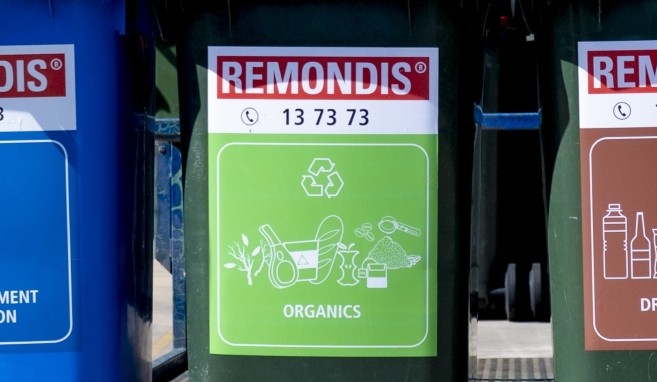
If your NSW business fills six or more 660L general waste bins a week, the NSW Government’s food organics recycling mandate applies to you on 1 July – and that's just eight weeks away.
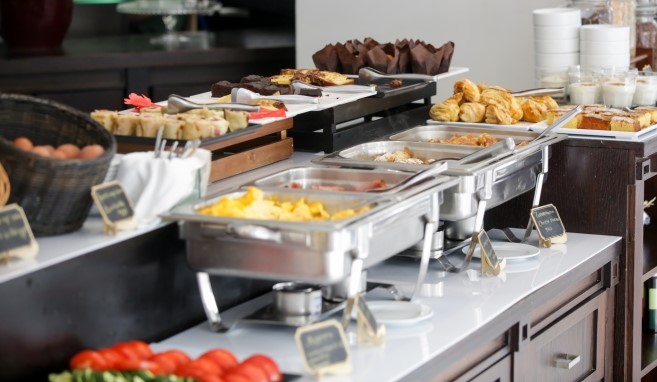
The NSW Environment Protection Agency's commercial food organics (FOGO) mandate takes effect on 1 July 2026. Any site putting out six or more 660L general waste bins a week – which is most supermarkets, hotels, larger restaurants and pubs, hospitals, aged care facilities, schools and universities – falls into the first wave. The runway is now measured in weeks.
The businesses that started planning last year are in good shape. Bins on site, staff briefed, collection schedules locked in.
The harder conversation is with the operators who have watched the deadline drift from "next year" to "next quarter" to "next month," and are about to find that everyone else who waited is calling the same providers in the same fortnight.
There's still enough time to do this properly: a site assessment, the right bin configuration for the kitchen footprint, a collection service that fits the existing schedule, signage, a short staff briefing, and compliance in place on day one rather than mid-July.
Not every first-tier site will be flawless on 1 July, and we believe the NSW EPA understands that.
What matters is that the decision has been made, a service is in place, and food waste is being separated in good faith. The sites genuinely at risk are the ones that have not yet had the conversation with anyone – not because of penalties on 2 July, but because by mid-June, waste management capacity across NSW will be tight.
If your business is in the first tier and you are not sure where you stand, the fastest first step is confirming your weekly bin volume and whether the mandate captures you. It doesn’t take long. REMONDIS is happy to walk any affected business through it, step by step.
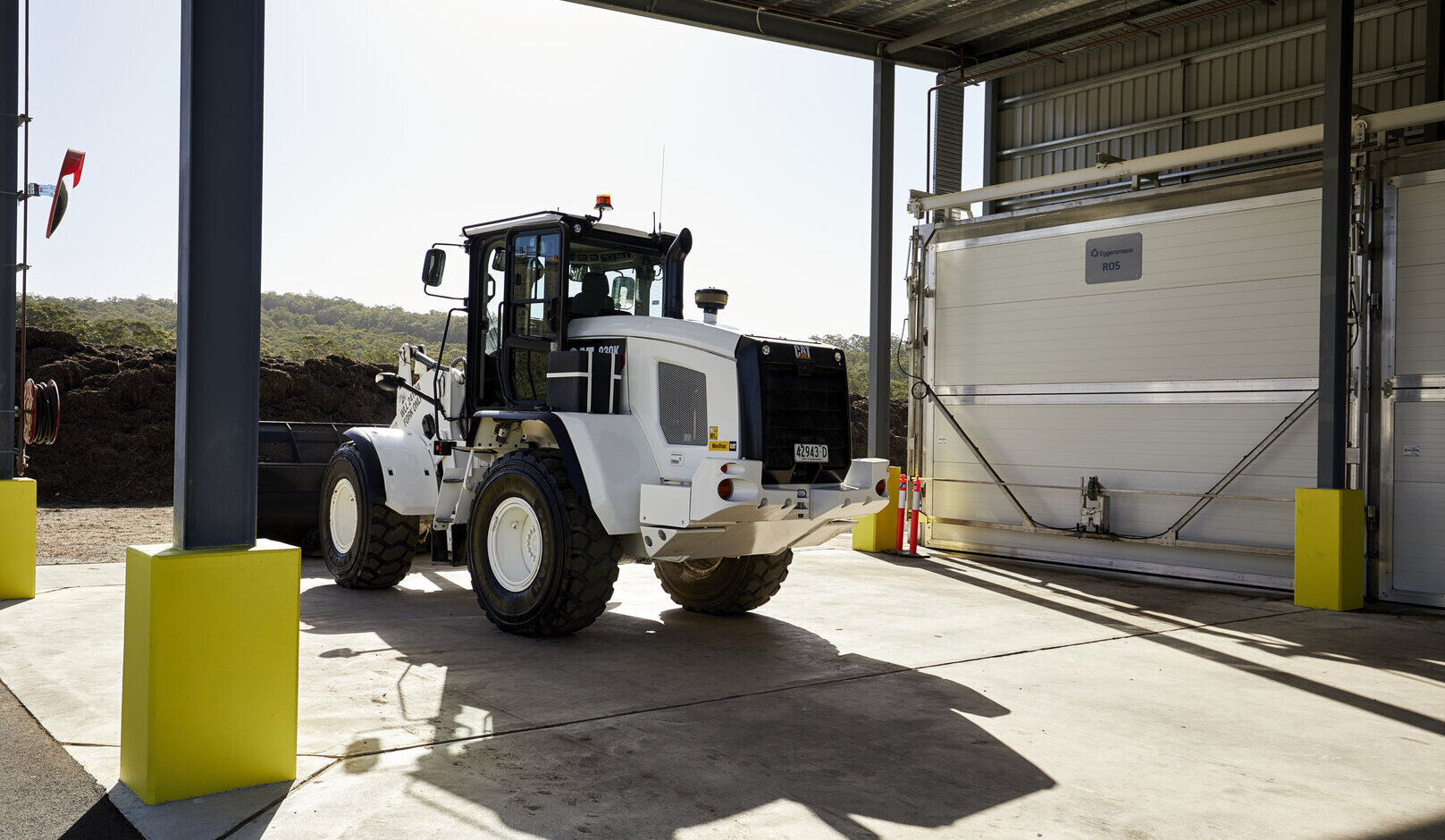
We're uniquely equipped to support NSW businesses with cost-efficient food organics recycling services; with a dedicated logistics fleet and two specialised organics composting facilities in NSW, we're in a great position to help.
A note for smaller operators: the mandate captures Tier 2 sites (three or more 660L general waste bins a week, or equivalent) from 1 July 2028, and Tier 3 sites (a single 660L bin or three 240L bins a week, or equivalent) from 1 July 2030. The same ten-minute conversation applies – knowing your tier now is the easy part, and the planning windows for 2028 and 2030 are healthier than this one only if you start them early.
The Act applies to companies that prepare or serve food, plus local councils and large supermarkets. Check out the FAQs below for the full list of premises affected by the Act.
Larger waste generators need to prepare sooner, while smaller producers have more time. The law is phased by weekly organic waste volume:
Residual waste (also known as ‘general waste’ or ‘putrescible waste’) is the materials typically collected in a red lid bin, which is used for calculating weekly organic waste volume. The calculation is not done by the weight of the waste inside the bin, but instead is calculated on the size of the bin.
Example: If a business has 4 × 660 L residual/general waste bins serviced once a week, the total organic waste volume is calculated as 4 × 660 = 2,640 L/week, placing the business in the 2028 compliance group.
Monitoring of compliance is anticipated to be by the EPA and local councils, under the Protection of the Environment Operations Act 1997. The penalties for non-compliance are significant:
NSW businesses governed by the Amendment (FOGO Recycling) Act 2025 will need to:
While there may be upfront costs, effective FOGO management can reduce general waste volumes and lower exposure to rising Waste Levies, delivering long-term savings.
Most importantly, businesses should view compliance as essential, not optional. The NSW Government has set a phased implementation timeline and applies strict penalties for non-compliance.
The Amendment (FOGO Recycling) Act 2025 is coming, and it affects a wide range of NSW businesses. Understanding the key dates, obligations, and potential fines now will help businesses stay prepared and ahead of the changes.
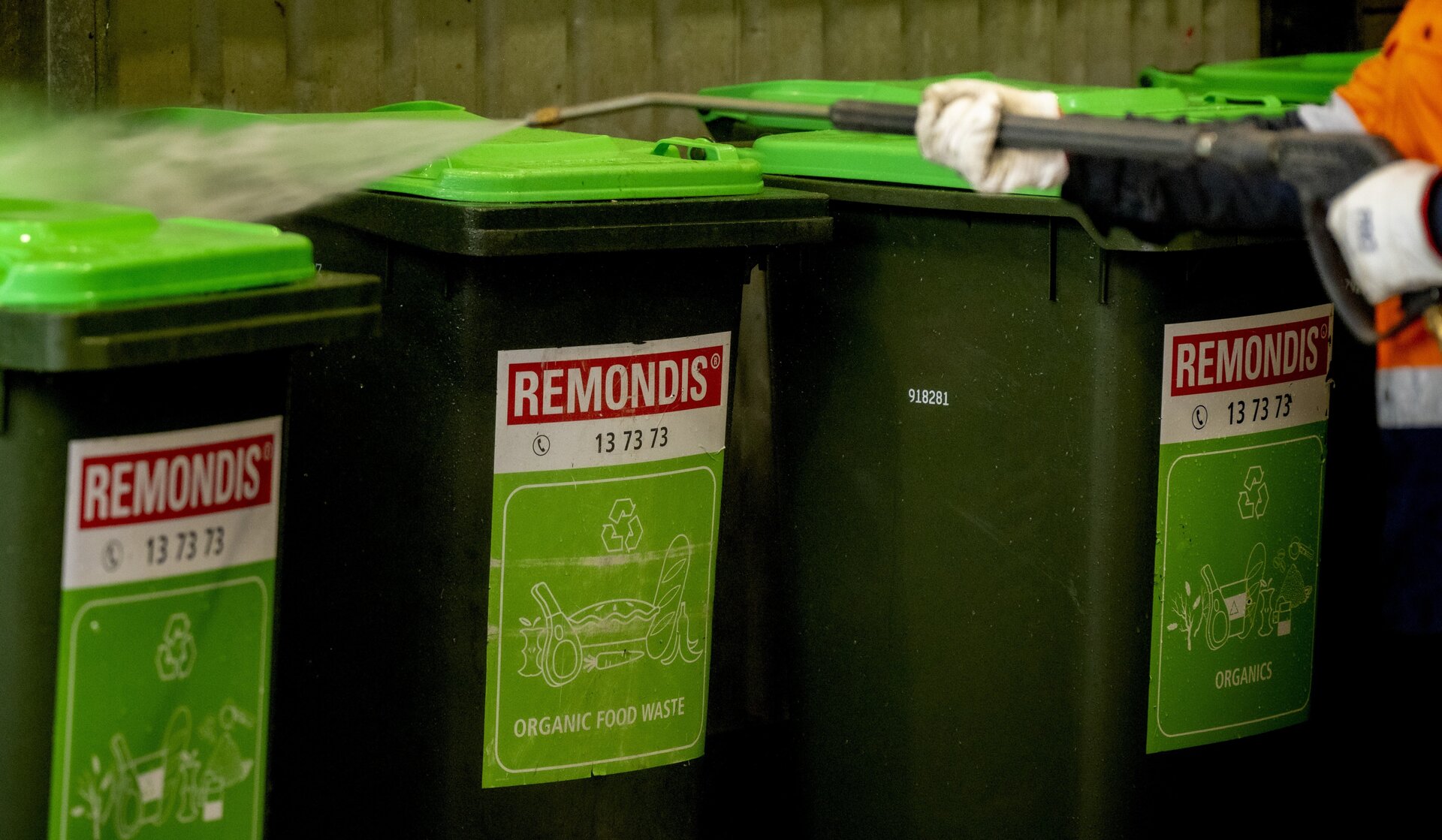
REMONDIS can help your business, school or facility prepare for the upcoming legislative changes. We're experts in organics, waste and recycling management in NSW, so you can rely on our support. Our expertise is enabled by real infrastructure – we have dedicated food organics collection vehicles in our NSW fleet, and we operate two dedicated organics composting facilities in NSW with decades of experience closing the loop on organic wastes.
Contact REMONDIS for support with:
Our NSW team is ready to help. Call 1800 860 512 to be introduced to your local REMONDIS Sales Manager.
Local Councils:
Businesses and Institutions: A phased rollout begins for “relevant premises” that prepare or serve food or drink. These include:
These premises must provide and maintain FOGO bins, ensure weekly collection, and prevent contamination with other waste.
Large Supermarkets:
The NSW State Government is introducing FOGO mandates to cut organic waste sent to landfill by half by 2030. Greater Sydney is running out of safe options to manage residual (red bin) waste, and landfill capacity is expected to be exhausted by 2030 or sooner.
While exemptions have not yet been finalised by the NSW Government, the NSW EPA may grant them when:
ensuring businesses are not unfairly penalised for factors beyond their control.
The government aims to incentivise the donation of usable food to avoid food waste.
Large supermarkets with a gross floor area of 1,000 m² or more must record and report monthly food donation volumes by category (e.g. meat, produce, frozen goods), and retain these records for five years.
Compliance will be monitored by local councils and EPA NSW.
To learn more about the new FOGO regulations, which will commence in July 2026, please refer to the resources below:
The information provided here is a summary and is subject to change. We recommend that all businesses independently verify their responsibilities under the Act.
New business enquiries
REMONDIS NSW
T 1800 860 512
E sales@remondis.com.au
W Food Organics NSW