
We form long term partnerships with our clients by providing honest and no-nonsense advice on solving your oily water waste challenges, cost-effectively

REMONDIS Australia


Rules
Only words with 2 or more characters are accepted
Max 200 chars total
Space is used to split words, "" can be used to search for a whole string (not indexed search then)
AND, OR and NOT are prefix words, overruling the default operator
+/|/- equals AND, OR and NOT as operators.
All search words are converted to lowercase.
Locations REMONDIS Australia
The whole picture - with just a single click. Find out here where our branches are located, what services they offer and how to contact them.
Locations REMONDIS Group
Discover the world of REMONDIS with its 1500+ branches and associated companies in more than 30 countries across Europe, Africa, Asia and Australia.

Our Services
Oily water
REMONDIS (incorporating ClearWaste) specialises in trade wastewater management and pollution control systems including oily water separator and triple interceptor supply, installation and servicing.
Get a quote
We are oily water management experts
REMONDIS provides regular maintenance and oily water pump out to over 400 sites across Queensland and New South Wales. Our 20-point maintenance checklist will ensure your oily water separator or triple interceptor is kept in peak condition to protect the environment, meet all regulatory standards and operate effectively to minimise any unexpected disruptions to your business.
Specialised services:
- Regular maintenance and servicing of oily water separators and triple interceptors
- Design and installation of new equipment
- Oily water pump out
- Stormwater diversion valve servicing

Trade liquid waste and wastewater, solved
Let's get to work. Contact us today to get a quote for your oily water separator service, triple interceptor service and trade wastewater pumpout. It’s fast and easy.

Your guide to oily water separator services
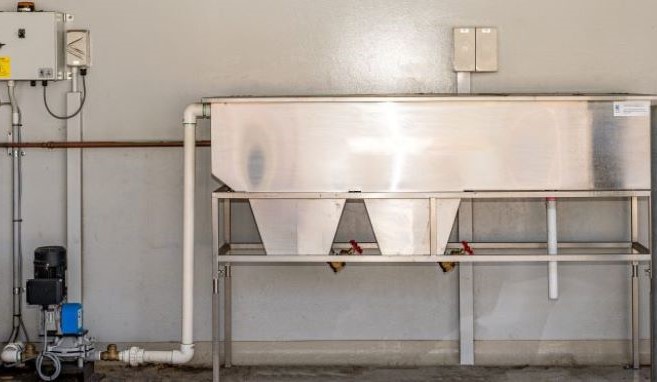
Oily water separators remove oil, grease, solids, and contaminated liquids from industrial wastewater before discharge. Without proper maintenance and servicing, contaminated water can enter the sewer or stormwater system, putting you at risk of regulatory breaches, environmental harm and costly penalties. Queensland's environmental authorities enforce strict standards to ensure that wastewater from industrial runoff does not contaminate stormwater or sewer systems.
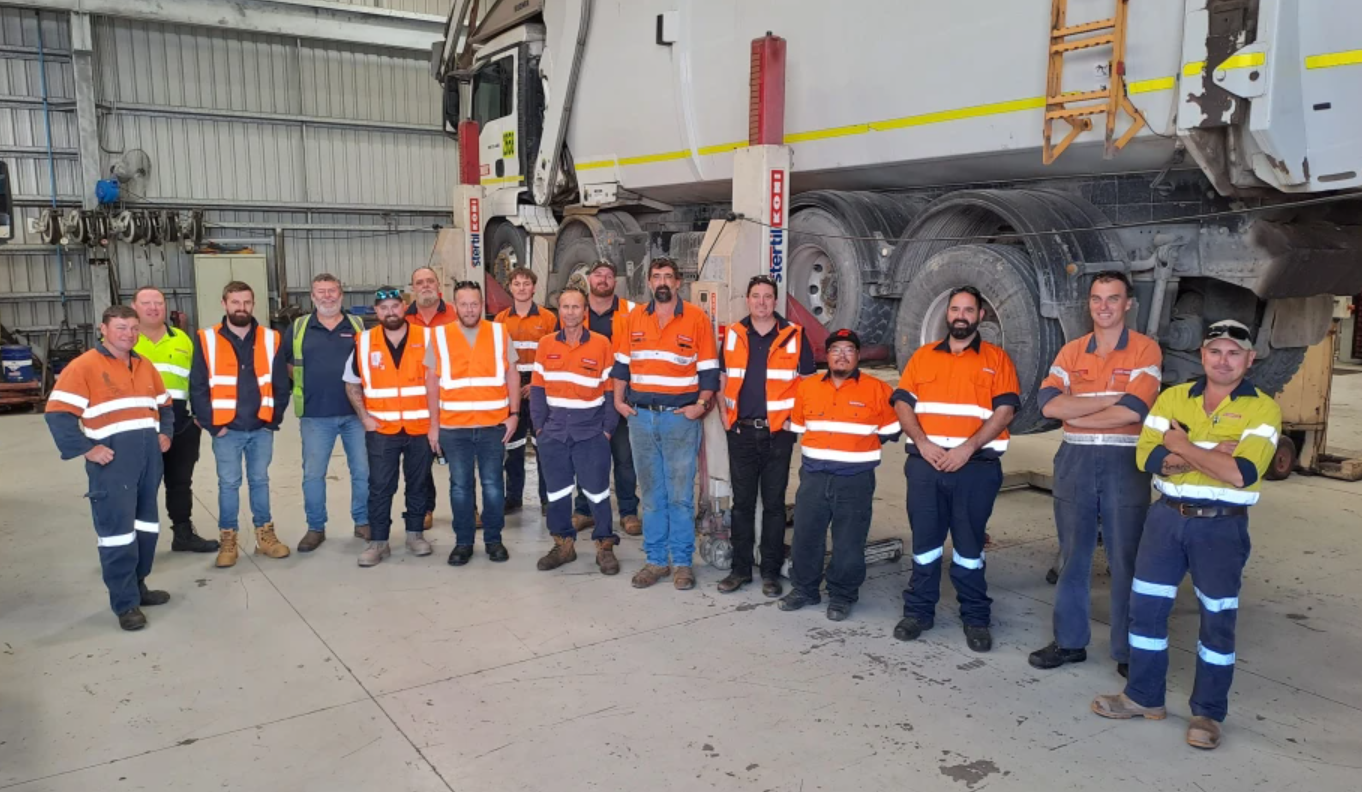
At REMONDIS, our experienced technicians perform thorough inspections and maintenance aligned with regulatory expectations.



Our clients
Automotive industry // Car sales // Car washes // Car hire // Crash repair // Service stations // Petrol stations // Truck stops // Workshops // Mining // Transport sector // Airports // Rail depots // Bus depots // Government services // Emergency services

FAQs about oily water services
REMONDIS (incorporating ClearWaste) is your trusted partner for pollution control systems including oil water separator services and trade wastewater management and disposal. Dive deeper into our expertise and operations, with these FAQs.
Oily water separator regulations in Australia
Trade industries generate many types of liquid wastes as a by-product of their manufacturing processes and operations, some of which are classified as prohibited substances. This includes trade wastewater. If released into the sewerage system without treatment, this trade wastewater can damage the environment and contaminate our drinking water.
This is why an oily water separator or triple interceptor is so important. It pre-treats the wastewater you discharge and ensures you’re limiting the amount of hazardous chemicals and materials being released into the sewerage system.
The governing legislation
The Unauthorised Discharge Regulations 2004 of the Environmental Protection Act 1986 (the Act) lays out the oily water regulations and governs the discharge of trade wastewater. It makes it illegal to discharge hazardous substances, such as hydrocarbons, into groundwater or the stormwater system.
The governing body
The Environmental Protection Authority (EPA) is the main regulator that governs the prevention, control, and monitoring of pollution levels in Australia. They’re the body that creates environmental policies and guidelines, and ensures compliance with environmental regulations.
How to remain compliant with oily water discharge regulations
Your local water authority will issue you with a permit that guides the safe levels and costs for discharging your oily wastewater. This will change depending on your local authority. In some cases, they may require you to install an approved oily water separator prior to applying for a permit, and provide evidence of a servicing schedule. If you don’t comply with the regulations set out in your permit, you can be issued a warning fine—or have your site shut down until you comply with the conditions. The cost of this fine will depend on your local council’s regulations.
Maintaining compliance
Regular inspection and maintenance of your oily water separator will keep it working at optimal efficiency. An OWS pumpout and service ensures that there’s no suspended debris or trapped oils, and ensure you remain compliant with your permit’s regulations.
To maintain compliance with the EPA and your local water authority, you must create a thorough maintenance and inspection plan for your oily water separator. This should clearly state the unit guidelines and maintenance practices, any safety & health procedures, and arrangements for wastewater disposal. In order to ensure compliance, you can prepare these in consultation with the people undertaking maintenance of your oily water separator—and we hope you'll choose REMONDIS to help.
REMONDIS will ensure your business’ oily water separator remains compliant with the EPA and your local water authority.

What's oily water, and how does oily water waste removal work?
Oily wastewater is an inevitable byproduct of many industries. And with local councils providing strict regulations about how this should work, it’s important that you know what it is you’re dealing with.
What is oily wastewater?
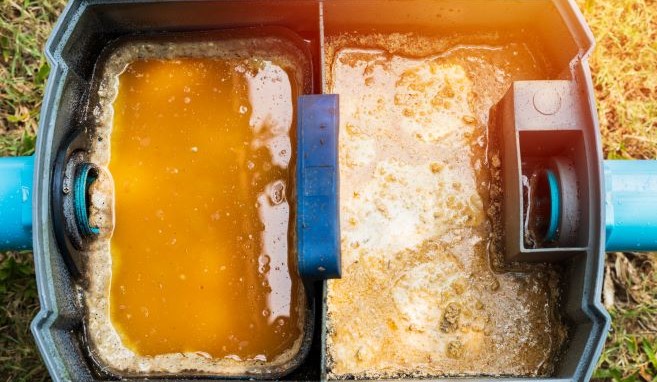
Oily wastewater is exactly what it sounds like: it’s wastewater that contains any oils, grease, or fats. Prominent in the oil and food & beverage industry, for obvious reasons, oily water waste is also a big byproduct in the energy sector, and mechanical industry. When left untreated oily wastewater can leach into our drinking water, cause pollution in our rivers and oceans, and damage our local fauna.
How oily water waste removal works
For businesses who produce oily wastewater it’s critical that it’s removed from their facilities safely and hygienically. There are a few different stages involved in thorough oily water removal, which relate to the size of your business.
- STAGE 1 / Your business treats the oily wastewater itself. This typically involves using oil or grease traps to remove any solids, grease, oils, and fats. For larger volumes, you might use a triple interceptor to prevent any trade waste substances entering the sewer system directly from your facilities.
- STAGE 2 / For larger businesses, a Dissolved Air Flotation tank might be used to perform comprehensive waste oil removal. This process is more efficient at clarifying wastewater, and removing suspended oils and solids.
- STAGE 3 / For larger businesses, this is where REMONDIS comes into it. We undertake your oily water removal services for you. We collect your oily water and arrange for transportation to a recycling facility. Here it’s treated further, and re-used in products such as composts and soils.
How much does oily water waste removal cost?
We typically price your oily waterwaste removal based on the volume you need removing, the size of your facility, any specific wastewater hazards, and factor in an hourly rate.
When do I need to get my oily water separator serviced?
Your oily water separator (or triple interceptor) is a very important piece of equipment that is crucial for keeping your site running smoothly, protecting the environment from damaging waste run-off, and also keeping you compliant with regulation. A common temptation is to only service your oily water separator when it breaks down or is no longer functioning properly. Whilst this can save money in the short term, in the long term you are likely to pay more through repair costs and a quicker need for replacement.
Here are three key reasons to service your oil water separator.
1. Extend the life of your separator
Manufacturers of oily water separators recommend the equipment is serviced at regular intervals, on average at least every 3-6 months. By servicing the equipment and ensuring it runs efficiently throughout the year, you will extend the life of your separator and avoid sudden breakdowns and expensive replacement costs.
2. Remain compliant and avoid fines
The majority of local councils and local water authorities require that an oily water separator is serviced at regular at least 3-4 times per year. This helps to ensure the equipment is functioning correctly and is not allowing contaminated water to enter common water systems. Most councils require a written service contract to be in place when an oil separator is installed onsite.
3. Protect the environment
By ensuring your equipment is operating correctly, you are doing your bit for the environment. Faulty equipment can release contaminated water into the environment and damage waterways and ecosystems. Regular service will detect any malfunction in the equipment and prevent damage before it can occur.
How often should I get my oily water separator serviced?
The typical interval between servicing is between 3 to 6 months. For oily water separators in high use, a more frequent monthly servicing may be required. How often your separator needs to be serviced will depend on a number of factors:
- The volume of water being processed by the separator
- The type of waste water that is being processed
- The amount of oil or sludge that is being removed
- The regulation within your local council and water authority
Most water authorities and local councils also require written evidence that your separator is regularly serviced and will often do site audits to ensure this occurs. When a new separator is installed, the council and water authority usually require a written service contract to be put in place.
REMONDIS's service includes safe digital storage of service reports as part of a regular 20-point oily water separator service. We can provide council and water authorities your full servicing record if ever audited. As part of our regular service, we can also pump out oily water from your holding tank.
A guide to our 20-point oily water separator service
Regular servicing of your oily water separator acts as preventative maintenance, ensuring that it continues to run as efficiently as possible — and your business stays compliant with your local regulations. Here's what’s checked and fixed when you have your oily water separator serviced, and why you need regular servicing.
Why you need to service your oily water separator
Let’s look at what’s involved with your oily water separator service. Like any piece of equipment, your oily water separator needs regular servicing to ensure it’s working as efficiently as possible. With the complex nature of this machinery, problems can be hard to detect until it’s already too late. It might already be releasing oily water out into the environment—or it could be verging on the point of breakdown. Without a regular service by an experienced technician, you won’t know any of this until it’s too late. Regular servicing of your oily water separator helps your equipment to run more efficiently, ensuring it lasts longer, and costs you less in the long run.
What happens in your oil water separator service
REMONDIS runs through a 20-point maintenance checklist when we service your oily water separator. Here’s what’s included:
- Complete an external inspection of the unit for any physical damage, leaks, or areas of concern that indicate it requires further work.
- Check the operation of the holding tank pump, float switch/s and separator controller.
- Isolate the power supply to the pump and float switch/s.
- Check the sludge/solids levels in the holding tank and pump suction tube, to ensure they work correctly.
- Check the waste oil collection drum, and empty it into our on-site facility.
- Drain the separator unit into an on-site holding tank so we can check the condition of the discharge valves.
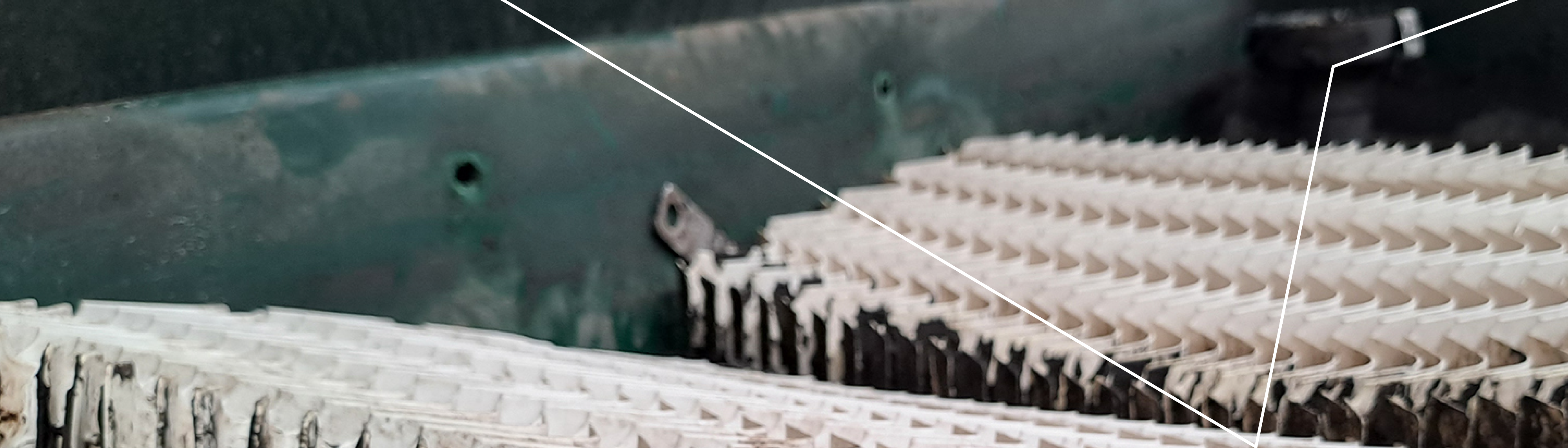
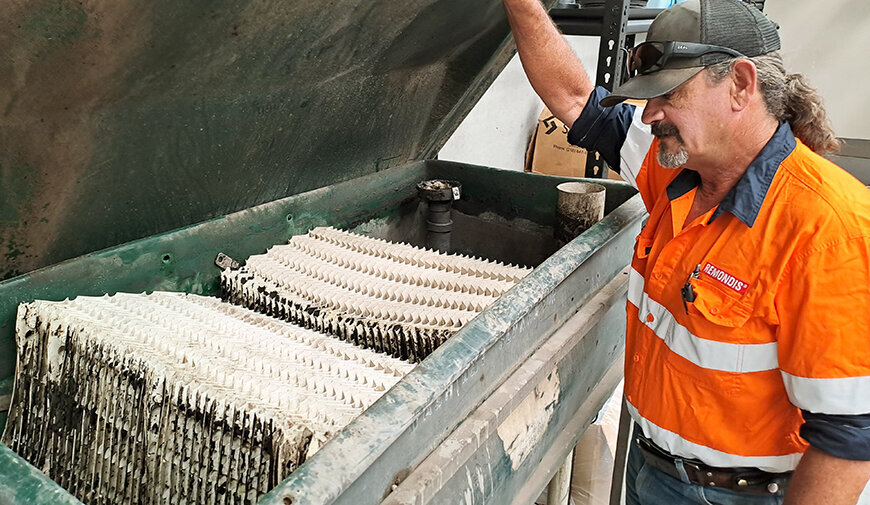
- Remove the plate pack from the separator and check for any signs of damage or deterioration.
- Drain any solids and flush them into a holding tank.
- Clean the plate pack surfaces to get rid of any build-up of sludge or scum.
- Check the pump parts, including the belts, diaphragm, and valves, and replace any pieces as necessary.
- Complete a service of the pump itself.
- Remove and clean, or if necessary replace, the filter bags.
- Close off the discharge valves, and reinstall and secure the plate packs back onto the separator unit.
- Refill the tank with clean water and check it for any leaks.
- Turn the pump back on and ensure it’s fully operational.
- While the pump is running, we reset the oil skimmer level and ensure it works correctly.
- Pump out the holding tank.
- Clean the service area, removing any debris or service residue.
- Check, clean, and refit the silt traps in the collection pit.
- Document all work completed and safely store it so it’s ready for Council audits.
How to install an oily water separator in Queensland
Wastewater classification is quite simple: it’s any leftover or run-off water that’s created as a result of your commercial or industrial activities. This water is contaminated with oils, chemicals, and cleaning products, so it can’t go directly into the sewer system. It has to be treated first, using your oil water separator.
Here’s how to find the right one for your business, and ensure it’s installed safely.
Choosing the right equipment
Your local water authority and council will have regulations around what type of oil water separator should be installed. Check in with them first to find the one that’s suitable for the kind of contaminants your business creates. The size you need will be determined by the volume of wastewater that your facility handles, and the time it takes for the separator to treat the water.
Getting your Trade Waste Permit
A Trade Waste Permit is an authorisation from your local council or water authority to discharge wastewater into the sewerage system. This permit usually attracts a fee, which goes towards the treatment and management of trade wastewater. It can’t be transferred, so you must obtain a new one prior to starting operations.
Installing your separator
Installing your oily water separator isn’t something you can do yourself—it must be installed by a licensed plumber. Once installed, your wastewater discharge must be checked by your local regulatory body.
Maintaining your oil water separator
Like any piece of equipment your oil water separator needs regular cleaning to keep it running in top condition. Regular cleaning prevents blockages, reduces odour problems, limits health hazards, and reduces the amount of oil, grease, and other hazardous materials leaching into the sewerage system. Your council needs a written maintenance program that records the cleaning frequency, pump maintenance schedule, and facility maintenance associated with operating your oil water separator. This proves that you’re meeting their requirements, and doing your part to help limit the impact on the environment.
REMONDIS has nearly three decades of experience providing oily water separator servicing to Queensland businesses. We can help you with everything from oily water separator service and oily water disposal, to an entire wastewater system installation. Contact us today for a quote, and let’s get to work.
Want to know more? Latest news from REMONDIS Australia
VIC, Food Organics, Industrial Services, Innovation, Recycling, Article
Grease trap services in Victoria
NSW, QLD, SA, WA, National, Community, Industrial Services, Article
Q&A with our Graduates
The REMONDIS difference


How can we help?


