Call Isaac 0477 919 853

Our premium soil-restoring products help improve soil structure and support beneficial microbial activity, while increasing the soil’s capacity to retain water and nutrients.


Only words with 2 or more characters are accepted
Max 200 chars total
Space is used to split words, "" can be used to search for a whole string (not indexed search then)
AND, OR and NOT are prefix words, overruling the default operator
+/|/- equals AND, OR and NOT as operators.
All search words are converted to lowercase.
The whole picture - with just a single click. Find out here where our branches are located, what services they offer and how to contact them.
Discover the world of REMONDIS with its 1500+ branches and associated companies in more than 30 countries across Europe, Africa, Asia and Australia.


QUEENSLAND
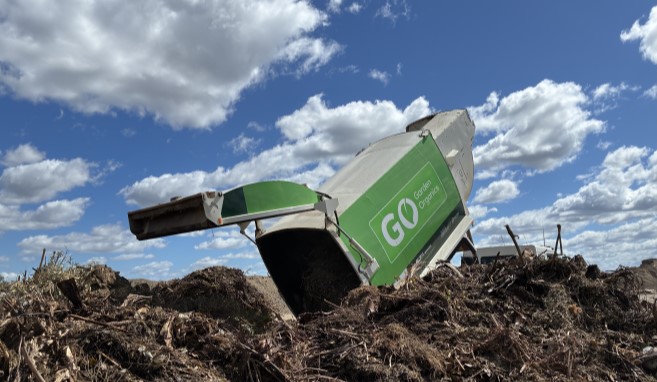
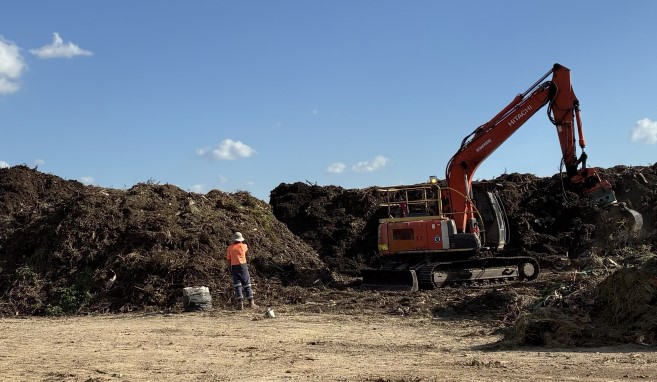
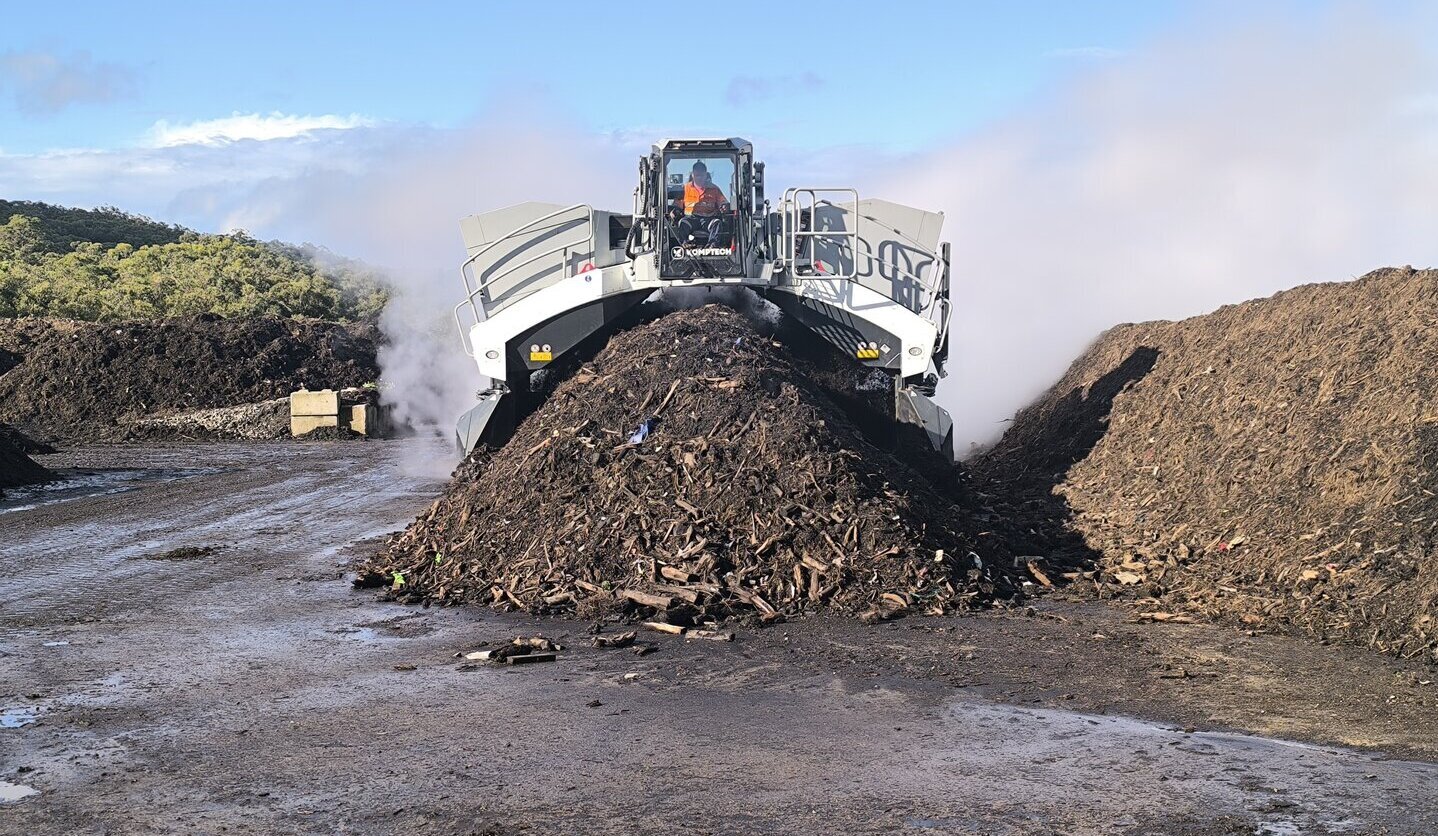
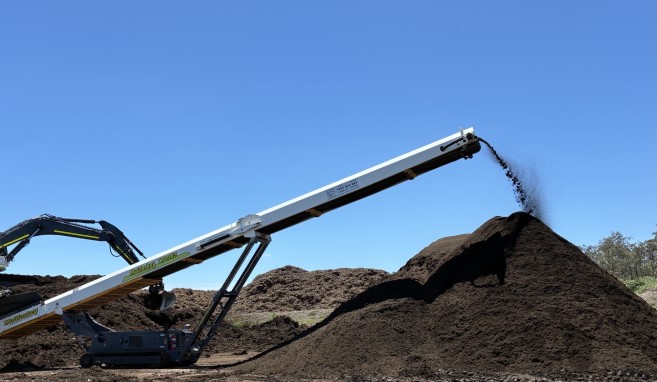
REMONDIS produces commercial volumes of compost and soil additives at our purpose-built organics processing facility at Swanbank, in South East Queensland. The resulting premium compost and soil enriching products are available for sale.
REMONDIS is your trusted local provider for compost in South East Queensland. We provide quality compost from locally sourced green waste, returning nutrients back to the soil.
Made from locally-sourced green organics supplied by Brisbane City Council and Ipswich City Council and processed at our Swanbank facility, our compost returns recovered organic material to productive use.
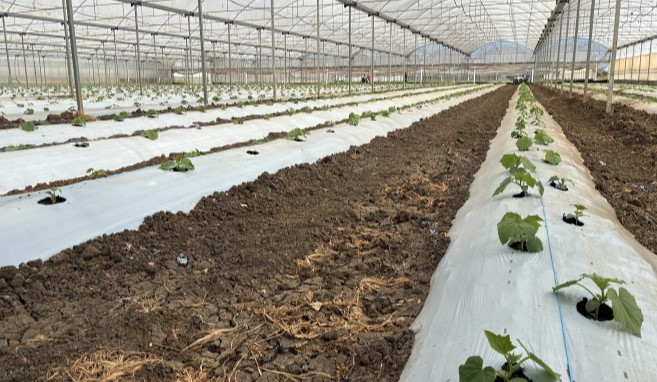
Swanbank Organics' compost provides organic matter for agricultural, landscaping and rehabilitation applications. Incorporate it into soil, apply it as mulch, or use it as a component in tailored growing-media blends. Improve soil structure and support beneficial microbial activity, while increasing the soil’s capacity to retain water and nutrients.
Our products

Call Isaac 0477 919 853
Who uses our compost?
Agriculture // Viticulture // Avocado growers // Orchardists // Landscaping // Mines // Rehabilitation works
How organics recycling works
REMONDIS Swanbank Organics is your trusted provider of compost and custom soil improvement blends, serving Brisbane and South East Queensland. Dive deeper into our products and operations, with these FAQs.
Our products include
Our fine compost products are available in 15-mm or 25-mm sizes for either mixing into the soil or using as mulch. The fine 15-mm compost can be mixed into the soil during planting or when refreshing the whole garden beds. For mulching, the 25-mm product is ideal because of denser, bulkier compost that will last. There are several factors to consider in deciding how to get the best benefit from this powerful, nutrient-rich material when used in your garden or agricultural pursuit.
Compost is a nutrient-rich material high in organic matter which can be used as a soil conditioner and nutrient source for crops. Adding this material to Australian soils can achieve several benefits including increased soil fertility, improved soil structure and water retention, and increased microbial activity. When compost is mixed with the soil, it contributes to erosion control, pH balance, pest and disease resistance, and healthy plant root development.
Soil fertility
The organic matter in compost contains essential macro- and micronutrients improving soil fertility. When these nutrients are mineralised in available forms, they are easily transported through the soil and readily absorbed by plants. Also, the presence of organic matter improves the cation exchange capacity (CEC) of the soil. The population of invertebrates, particularly earthworms, are greatly increased in soil rich in organic matter. The activity of earthworms enhances nutrient transport to deeper soil profile where active root systems can absorb. Some nitrogen-fixing bacteria may be present in the compost. These bacterial species play a role in partially supplying the nitrogen requirement of plants.
Soil structure
Good soil structure is essential for healthy soil resulting in healthy plant growth as well as greatly increasing the soil's capacity to recover from disturbances like tillage or compaction. By applying compost, the soil surface is protected from the sun and wind preventing evaporative water loss that results in reducing the soil temperature. Water percolation is also greatly increased through an increase in soil porosity. Compost contains large particles of organic matter that are irregular in shape. When compost is incorporated in the soil, porosity is increased by creating more space for the water to soak into the soil where plant roots can absorb. The benefits of increased water retention are: reduced labour cost and reduced irrigation requirements. Soil aggregate stability is important for the development and maintenance of a well-structured soil. The application of compost increases OM content and microbial activity making the soil more resistant to breakdown when exposed to wind, water, and mechanical stress (e.g. tillage, etc) compared to a soil with low organic matter.
In summary, using compost has been shown to:
Compost is beneficial in a wide range of agricultural applications, including:
Pasture Improvements
Compost application at 6 to 8 m3 per acre can improve the quality and yield of pasture. It is best applied in conjunction with any tilling activities. Compost can also be applied directly on the field surface, preferably during the wetter months. REMODIS Swanbank Organics' 15-mm compost is recommended for this purpose since it can be spread using conventional fertiliser spreaders. If pH adjustment is necessary, a pre-mix of compost and dolomite or lime can be applied.
Compost is a natural fertiliser and soil conditioner all in one. It contains essential macro- and micronutrients, organic carbon, and a healthy population of beneficial microbes.
Our fine compost products are available in 15-mm or 25-mm sizes for either mixing into the soil or using as mulch. The fine 15-mm compost can be mixed into the soil during planting or when refreshing the whole garden beds. For mulching, the 25-mm product is ideal because of denser, bulkier compost that will last. There are several factors to consider in deciding how to get the best benefit from this powerful, nutrient-rich material when used in your garden or agricultural pursuit.
Mulching Mature Plants and Garden Beds
The 25-mm compost is an organic fertiliser and mulch in one. Simply apply around the base of mature plants to a thickness of 10 cm out to the edge of the leaves (the drip line). Take care to leave a small gap around the stem of the plant. With young or native plants, ensure that a cover of 2- to 4-cm is applied leaving a gap around the stem to avoid damaging the plant from too much nutrients. After 4 to 6 months, the compost cover can be reapplied depending on the time of year and the health of the plant. In spring and summer, plants use more nutrients than in autumn and winter, so compost mulch applications must coincide with the plant's most active growth period.
Establishing New Gardens
When digging new garden beds, mix the 15-mm compost about half and half with the existing soil. This mix provides an excellent growing medium for vegetables and ornamental flowering plants, providing them with ample nutrients and organic matter as well as aiding water retention. Be careful with native plants since many don't like a lot of nutrients and can be "burnt" by the over application of nutrients in the compost. If the garden is for native plants only try mixing the compost with both the soil from the site and some coarse river sand to a rough proportion of one third each. Let the bed settle for three to four weeks before planting.
Turf Underlay
Prior to laying or seeding turf, an application of compost will greatly assist in establishing new root systems, providing the grasses with nutrients and moisture during the establishment phase. The 15-mm compost mixed with sand or sandy soil is an ideal mixture but straight compost can also be used. The optimum application rate is around 30 to 40 mm deep providing the root systems a nutrient boost before reaching the soil below. This is followed by top dressing with a finer grade of compost to further support growth and stabilisation of the turf. Avoid using too much compost when top dressing, as excessive applications can create a spongy effect causing divots and uneven surface to the lawn.
When people think about how productive a soil and the ways to improve productivity, they generally consider the physical and chemical characteristics like total nitrogen content, pH, salinity, and compaction. Certainly, these things are important in enhancing plant growth, but it is also important to consider that all these characteristics and many others are controlled by the amount of life in the soil.
The soil food web is made up of living organisms responsible in performing essential functions like decomposing organic matter (e.g. composts, manures, and plant residues) and mineralising nutrients available to plants. These living organisms also enhance soil aggregation and porosity which increases water infiltration and retention and soil aeration.
What are these organisms and their functions? Soil organisms include bacteria, fungi, algae, protozoa, nematodes, earthworms, insects, and small invertebrates. Their respective roles in soil health are explained here:
Bacteria: These are microscopic single-celled organisms present in remarkably high numbers in healthy soil, as much as one billion in one teaspoon of soil. Bacteria participate in decomposing OM to provide food for other members of the food web. They also help keep nutrients in the root zone and out of the groundwater by enhancing soil structure, which improves water flow into the soil reducing runoff and erosion. Bacteria can compete with disease-causing microorganisms as well as filtering and breaking down pollutants in the soil.
Fungi: Fungi are microscopic or macroscopic multi-celled organisms made up of root-like mycelial structures usually growing as a mass of branching thread-like strands called hyphae which push their way between soil particles and plant roots. Fungi decompose complex carbon compounds and improve organic matter accumulation. They also retain mineral nutrients in their structure resulting in reduced leaching of nutrients out of the root zone. Fungal hyphae physically bind soil particles into bigger clumps allowing air and water to be stored in the soil. They also improve plant growth by becoming associated with root structures that facilitate nutrient transport to plants and suppressing colonisation of pathogenic fungi (e.g. Phytophthora, Pythium).
Protozoa: These are single-celled animals feeding primarily on bacteria. As they consume bacteria, they release nutrients which can be used by plants. They increase the breakdown of OM matter and improve soil structure by stimulating bacterial activity. Protozoa also feed on plant pathogens as well as providing food for larger soil organisms.
Nematodes: Nematodes are non-segmented worms up to about 1 mm in length. Some nematodes cause plant disease, but many species feed on bacteria and fungi releasing nutrients for plant use. Aside from providing food for larger soil organisms, nematodes also help control the populations of pathogenic microbes and other pests.
Arthropods: These animals include centipedes, millipedes, spiders, crickets, beetles, and mites. They participate in breaking down organic matter by shredding and decomposing plant litter and mixing it into the soil. They also feed on bacteria and fungi releasing plant-available nutrients, as well as feeding on insect pests and controlling their numbers. By burrowing through the soil, arthropods play a vital role in transporting nutrients, bacteria, and fungi through the soil profile, providing food to other residents in the soil microecosystem.
Earthworms: They are the "earth movers" of the soil community. Earthworms spend their entire life consuming soil and organic matter, producing nutrient-rich "castings", and creating a network of tunnels enriched with nutrients. By building tunnels, channels are created for water infiltration and storage as well as providing aeration beneficial for root growth.
Anyone can see that a healthy soil needs a rich and diverse network of beneficial living organisms to be productive!
A healthy soil food assists farming in the following ways:
Some of the practices in traditional agriculture are damaging to these organisms. The use of synthetic chemical fertilisers tends to reduce their population dramatically. Tilling the soil damages the soil structure resulting in population decline. Also, many local soils contain high nitrate-nitrogen because of lacking organisms to transport the nutrients to the plants, instead they are left in the soil profile in a leachable form then run-off into dams and waterways.
Let's wrap up
Compost nourishes the soil food web in several ways.
The cost of compost use can be easily justified when the savings in tillage, pesticide use, and irrigation are also considered.
REMONDIS Swanbank Organics' compost is also a recycled product, locally produced, and locally distributed. We're certainly proud of the product we make right here in South East Queensland!
Compost sales
Contact us today on 0477 919 853 for locally sourced, locally made premium compost and mulch. Isaac and the Swanbank Organics team are keen to help.